Parking the bike for a few weeks is easy. Parking it for a season takes a plan. Good storage prevents corrosion, stale fuel, flat-spotted tires, and weak batteries, so your first ride back feels as crisp as the last one before you parked it. Here is a clear, mechanic-minded guide you can follow at home in Melbourne’s humid climate.
Give the Bike a Thorough Cleaning
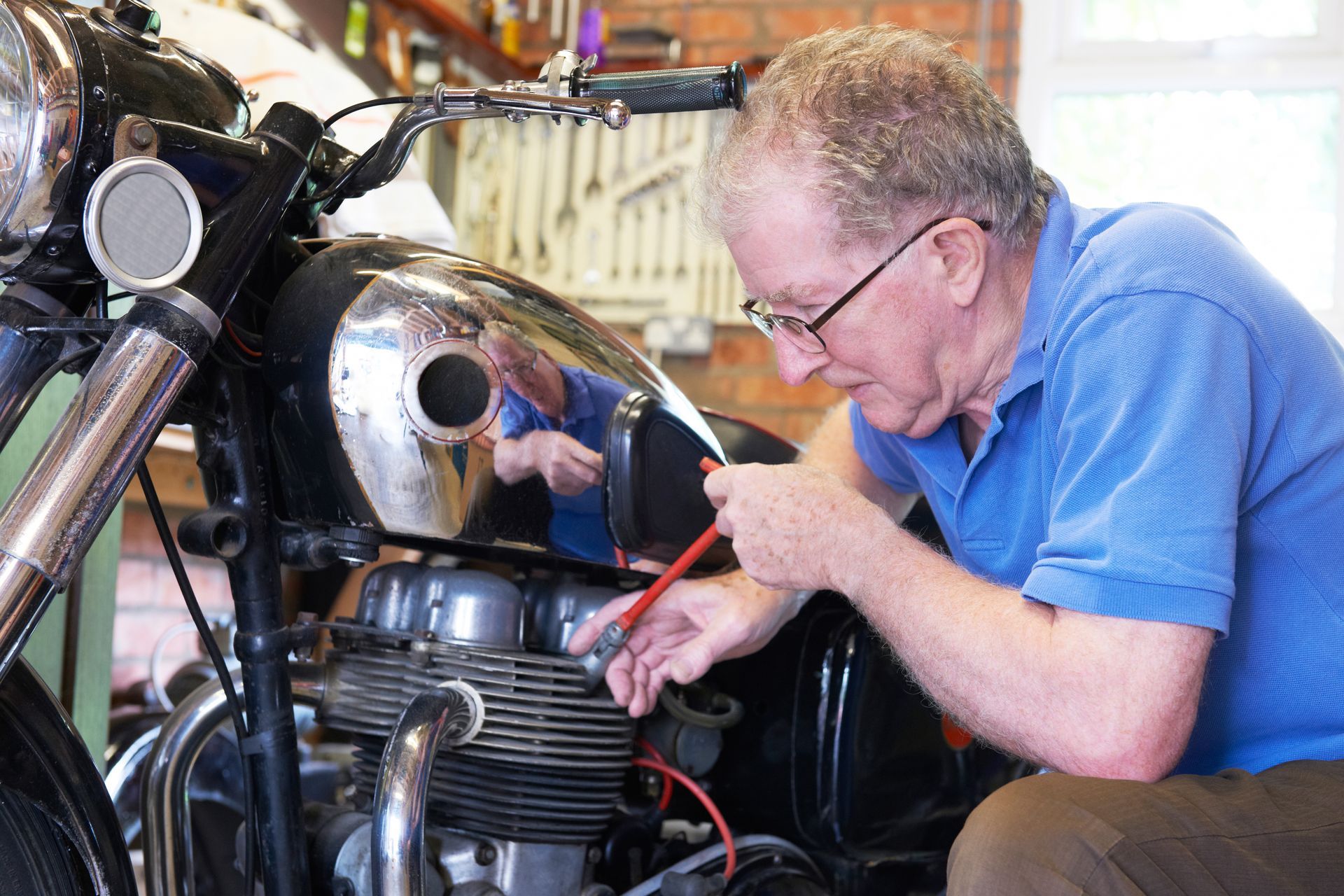
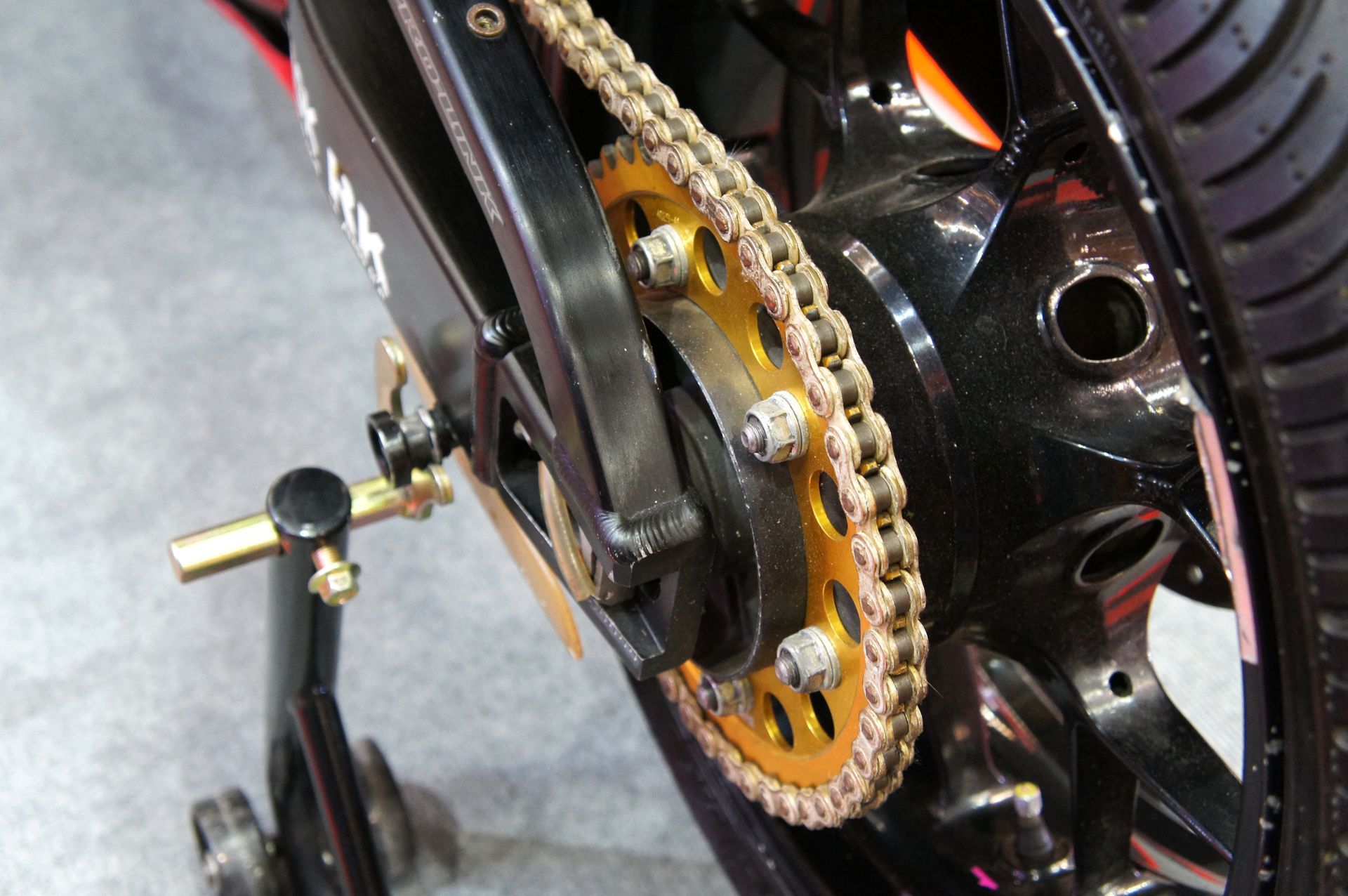
Dirt traps moisture against metal, which invites corrosion while the bike sits. Wash and dry every surface, including the undersides of the fenders and the lower frame, where road grime collects. Polish painted panels and wax them to add a barrier against humidity. Wipe down bare metal, then treat fasteners and exposed hardware with a light corrosion inhibitor. If you rode near the coast, rinse the radiator and calipers to remove salt spray before the bike goes under a cover.
Stabilize the Fuel and Protect the Fuel System
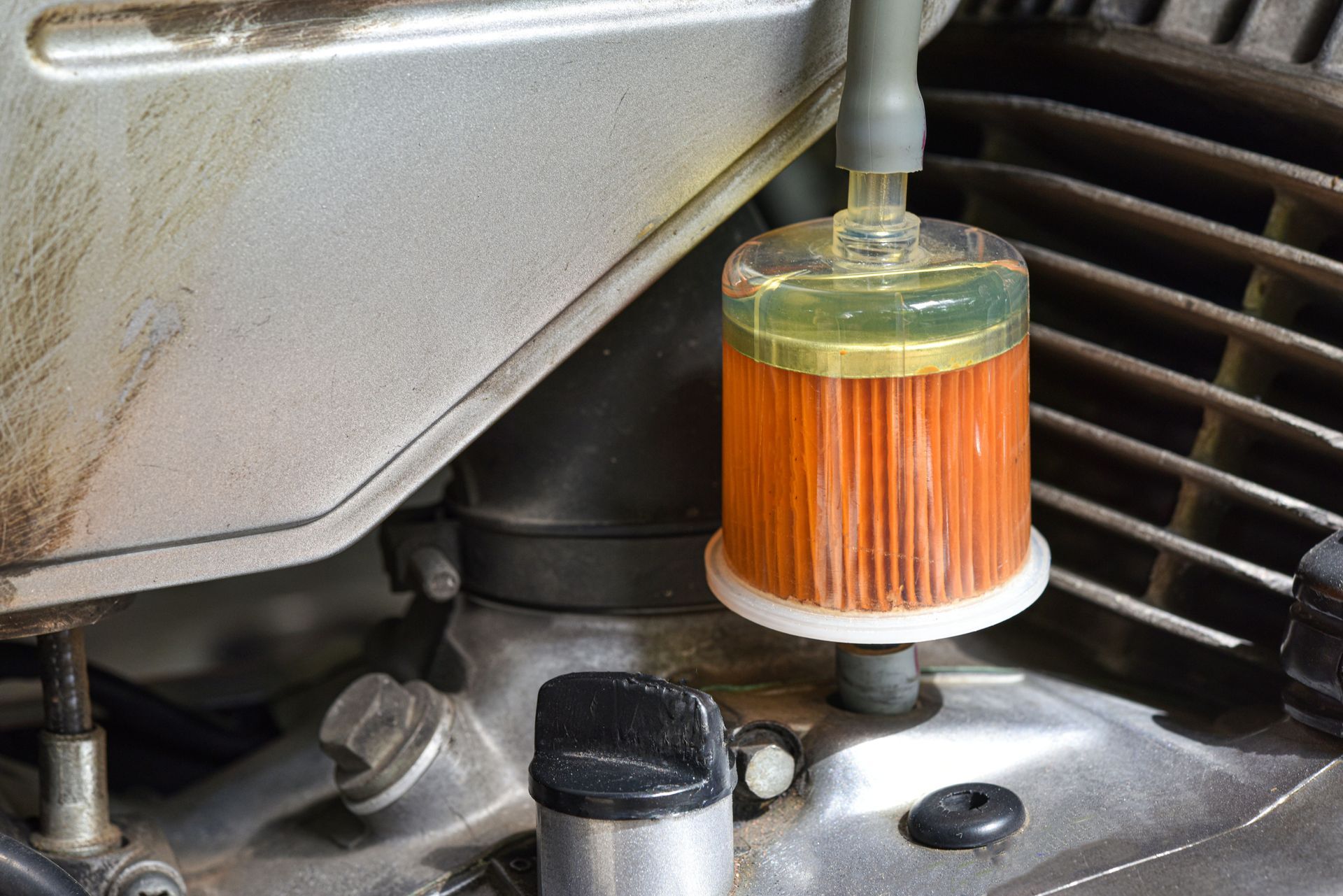
Gasoline begins to degrade within a few weeks, and ethanol attracts moisture, which can cause oxidation and gum up injectors. Fill the tank with fresh, top-tier fuel, add the recommended amount of stabilizer, and run the engine for a few minutes so treated fuel reaches the injectors or carbs. If your bike has a steel tank, a full tank reduces air space and slows rust. For carbureted models, drain the float bowls after circulating stabilizer so dried fuel cannot form varnish in the tiny jets you need for a clean restart.
Change the Oil and Mind the Coolant and Brake Fluid
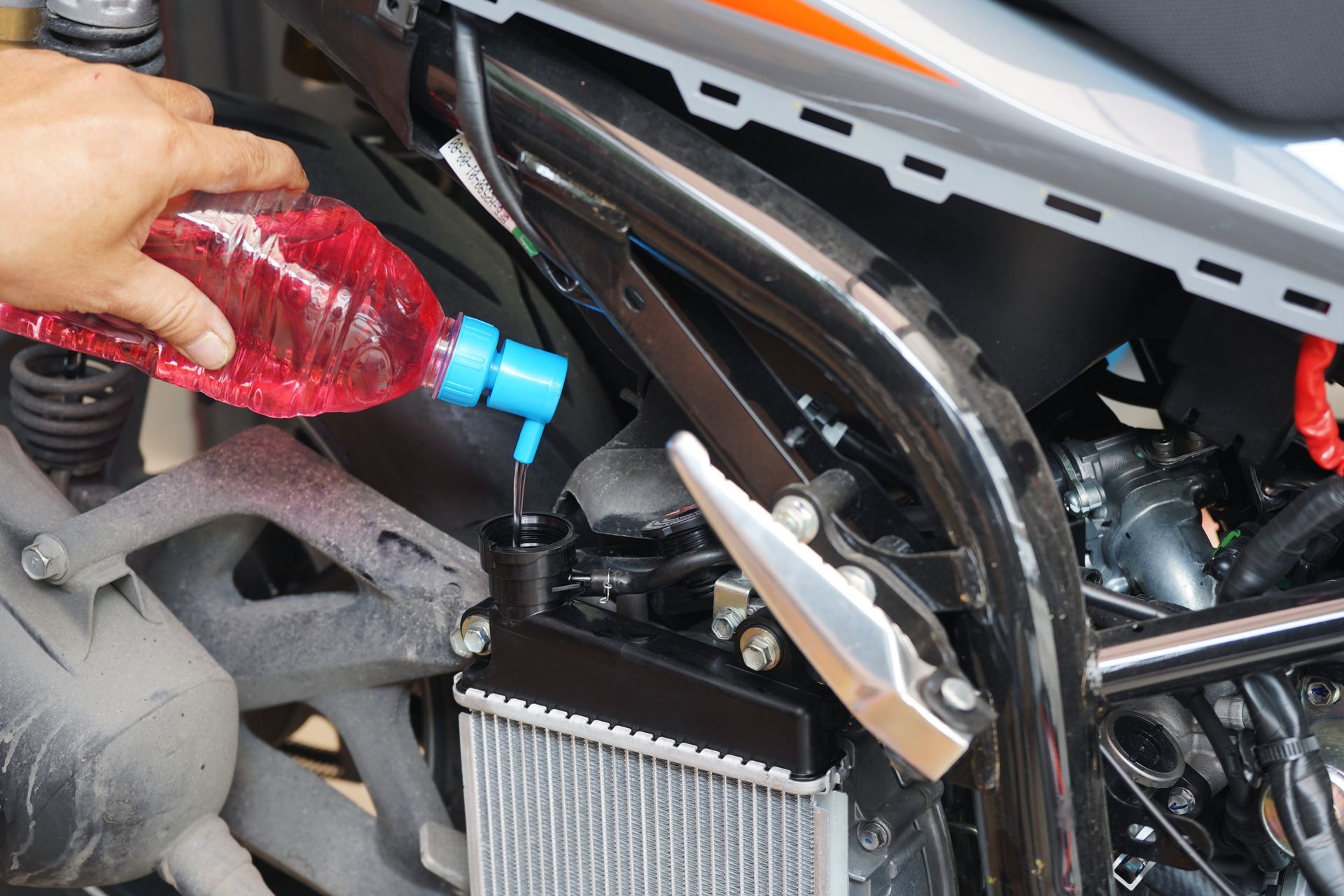
Used oil carries acids and moisture. Changing it before storage leaves clean additives protecting bearings and cam surfaces while the bike sits. If your coolant is more than two years old, replace it with the correct spec to guard aluminum passages from corrosion. Check the brake fluid color in the reservoir. Dark fluid suggests moisture, which lowers the boiling point and rusts internal parts. If it is due, flush it now so the system rests with fresh fluid.
Battery Care That Actually Works
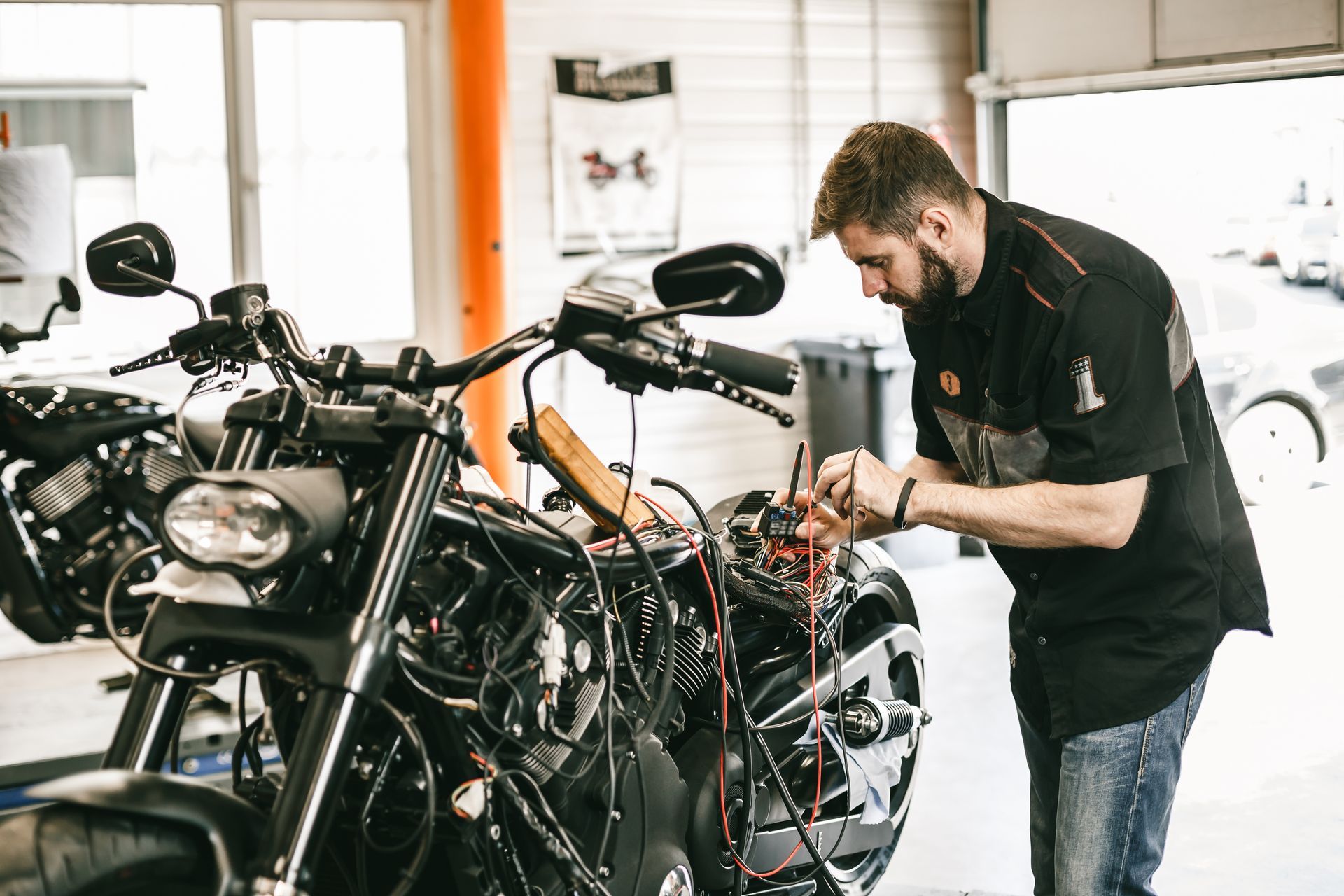
Batteries dislike sitting partially discharged. A smart tender that matches your battery type keeps the charge in the ideal range without overcooking it. Connect directly to the battery or to a fused pigtail you can access without removing bodywork. If the bike will be off the road for more than two months, consider removing the battery to a climate-controlled space and hooking the tender there. Before storage, inspect terminals for corrosion and ensure grounds are tight to prevent any spring startup issues.
Tires, Suspension, and Stands
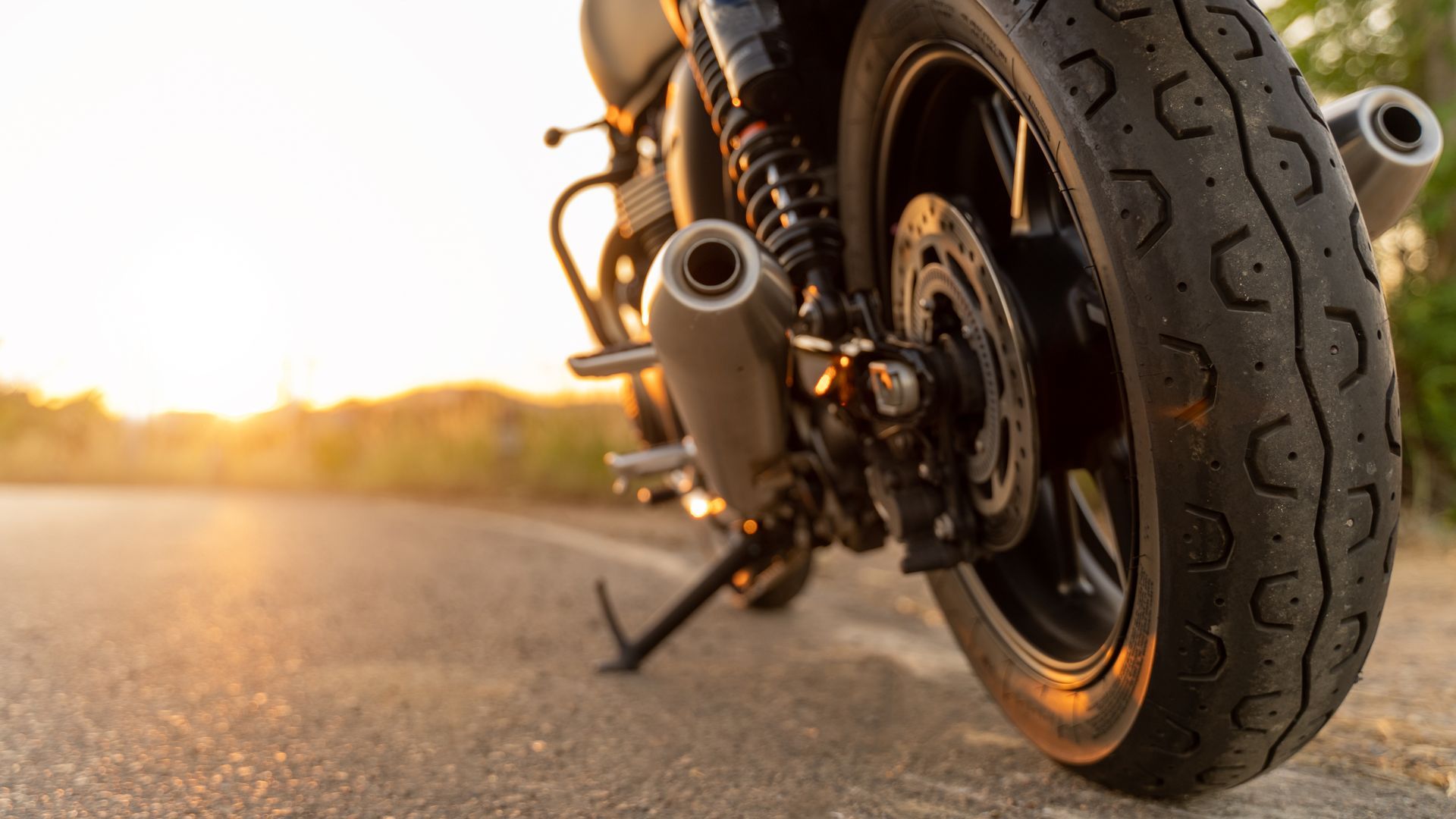
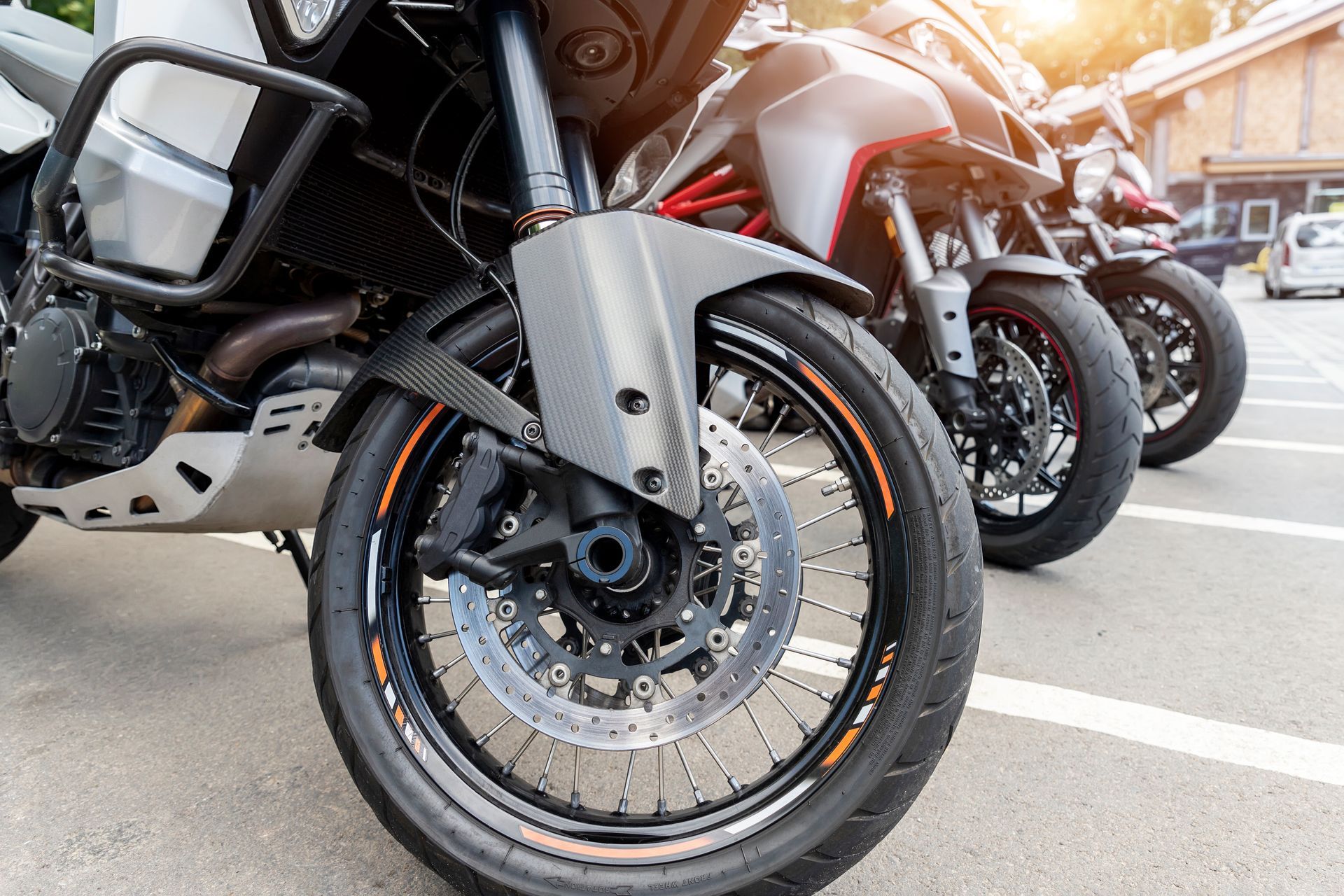
Tires can develop flat spots when they sit in one position for weeks. Inflate to the upper end of the recommended range and roll the bike a few inches every couple of weeks if it rests on the side stand. The better option is to get the weight off the rubber. A rear stand and a front stand, or a center stand plus a jack pad under the engine, where the manual allows, keep the carcasses round and the suspension relaxed. While you are there, inspect the tread and note any aging cracks so you can plan replacements before the next season begins.
Seal Out Moisture, Pests, and Dust
Florida humidity is relentless, so choose a breathable, fitted cover that lets moisture escape while keeping dust off. Avoid plastic tarps, they trap condensation. Slip exhaust plugs or clean rags into the mufflers to block moist air and curious critters, and stuff a steel wool pad into any open airbox snorkel if your bike’s design leaves one exposed. A few scented dryer sheets under the seat and near wiring can help discourage rodents without leaving residue.
Storage Location and Security
A clean, dry garage is ideal. Avoid parking directly on concrete if the floor wicks moisture; a rubber mat or piece of carpet under the tires helps. Keep the bike away from water heaters and chemicals that off-gas, since fumes can attack metal finishes. If your storage area is shared, use a quality disc lock and a chain anchored to a fixed point. Record VIN, key numbers, and insurance details in one place so they are easy to grab if plans change.
Quick Off-Season Checklist
- Wash, dry, and wax surfaces, treat exposed metal with a light protectant
- Fill tank, add stabilizer, run engine, drain carb bowls if applicable
- Change oil and filter, verify coolant and brake fluid condition
- Inflate tires, support on stands if possible, and rotate position periodically
- Connect a smart battery tender and confirm tight, clean terminals
Waking the Bike Up the Right Way
- Do a short recommissioning routine before the first ride.
- Inspect for leaks around the engine, lines, and forks.
- Check tire pressures and verify the battery is fully charged.
- Remove exhaust plugs and any intake barriers.
- Cycle the key and let the fuel pump prime.
- Start the engine and let it idle until it settles.
- Squeeze the front brake and press the rear; confirm a firm response.
- Take the first ride easy, listening for odd noises.
- Watch the dash to confirm normal throttle response and charging voltage.
Get Professional Motorcycle Storage Prep in Melbourne, FL with Prime Motorcycles
If you want a one-and-done service before your off-season break, bring your bike to our Melbourne team. We will stabilize fuel, change oil and filters, set tire pressures, connect a tender lead, and apply corrosion protection to fasteners and exposed metal.
You will park it with confidence and roll out in spring with a bike that feels fresh, clean, and ready.