A lot of motorcycle problems look simple until you’re halfway in and the bike won’t start, won’t stop, or won’t track straight. Two-wheelers are less forgiving than cars because small mistakes show up immediately in handling, braking, and stability.
If a repair changes how the bike rides, it deserves extra caution.
1. Battery Jump-Starts And Charging Shortcuts
Using the wrong jump method or charger is a fast way to create new electrical problems. Motorcycle batteries are smaller, and many bikes have sensitive electronics that do not like voltage spikes or reversed polarity. A single bad connection can blow a fuse, damage a regulator, or leave you with a bike that cranks weakly for weeks after.
Charging issues also get masked when a weak battery is topped off repeatedly instead of being tested properly. Regular maintenance here is simple: clean, tight terminals and a battery that actually holds load. If the bike needs a jump more than once in a short span, the battery and charging system should be checked before you chase random gremlins.
2. Chain Adjustment And Rear Wheel Alignment
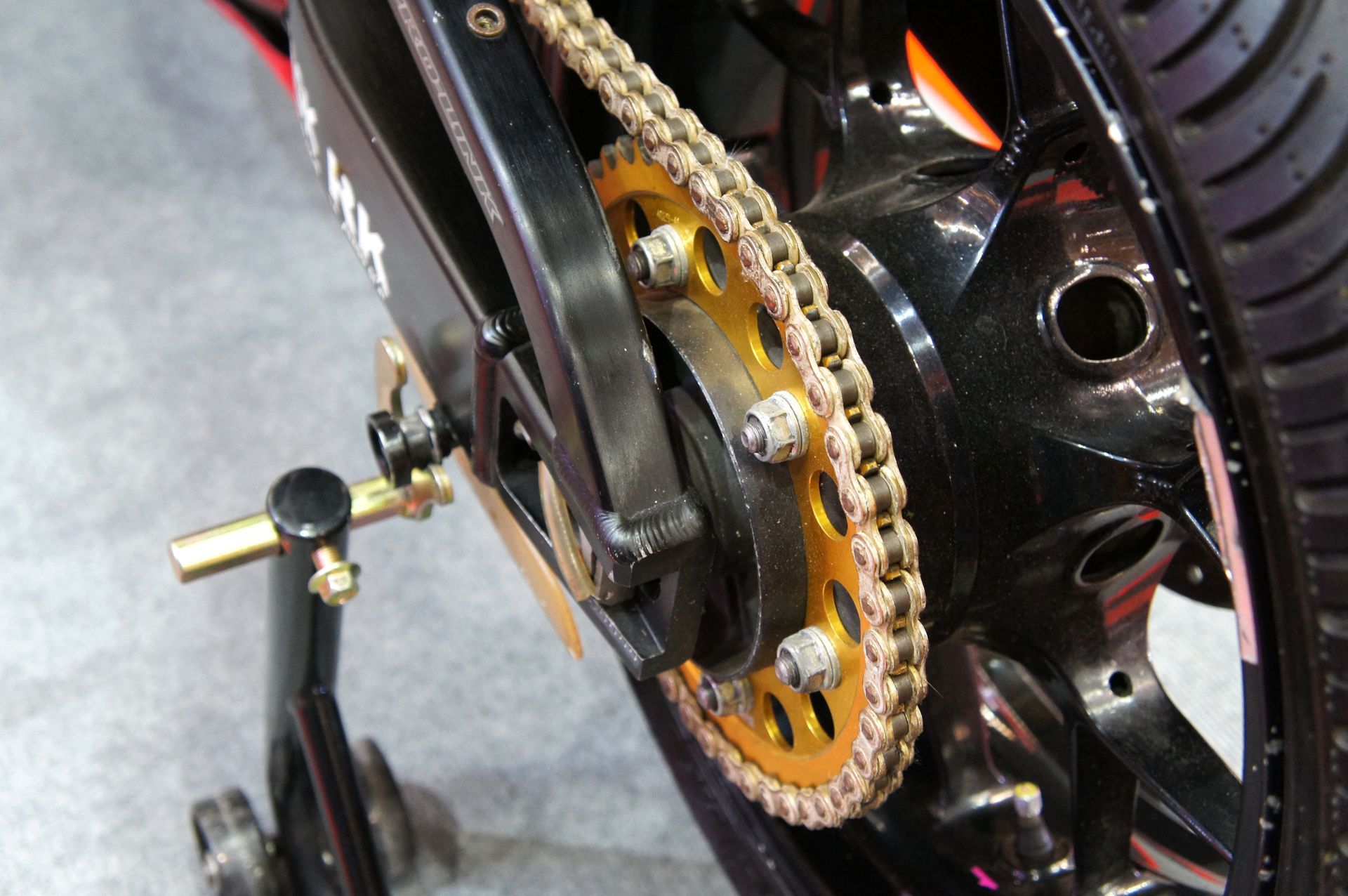
A chain that’s too tight can wear out sprockets, stretch the chain, and load the output shaft bearing harder than it should. A chain that’s too loose can slap, bind, and create jerky throttle response, especially at low speeds. The common mistake is setting tension without checking the tightest spot in the chain’s rotation.
Rear wheel alignment is where many DIY adjustments go sideways. Relying only on swingarm marks can leave the wheel slightly cocked, which changes handling and accelerates tire wear. When the wheel isn’t square, the bike can feel unsettled in a way that’s hard to describe until you ride a properly aligned setup again.
3. Brake Pad Swaps And Brake Bleeding Missteps
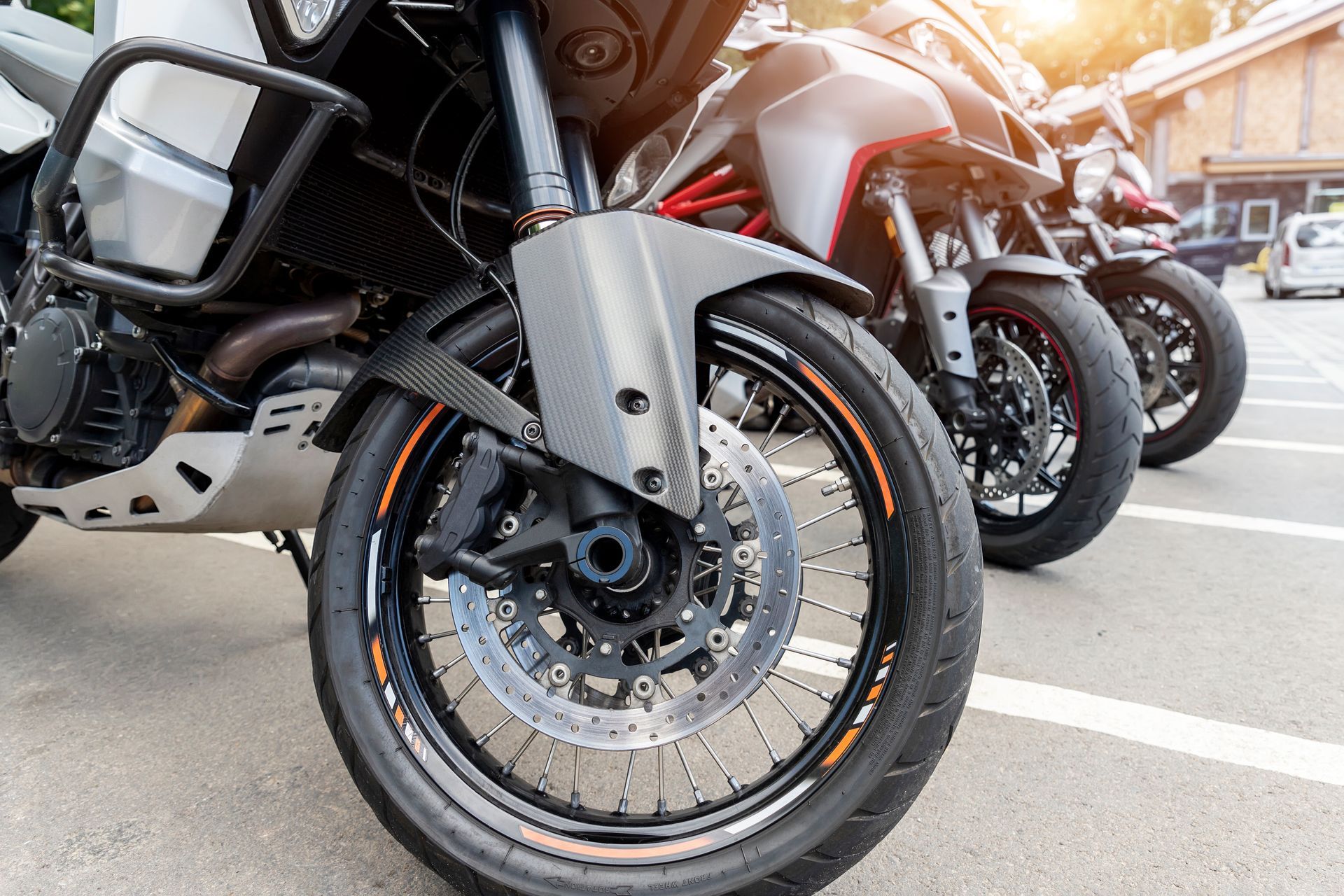
Brakes are one of the easiest places to get in trouble because the work looks clean and straightforward. The mistakes tend to be small: contaminated brake fluid, the wrong grease in the wrong place, pads installed with hardware missing, or a caliper piston pushed back incorrectly. Any of those can create a soft lever, dragging brakes, or uneven pad wear that shows up a week later.
Bleeding is another area where people lose time and confidence. Air in the system is compressible, so the lever feel changes and the stopping distance grows. If the lever never firms up the way it should, don’t keep riding and hope it clears itself. That’s the moment to stop and have the system checked correctly.
4. Tire Plugging, Bead Leaks, And Wheel Balance
A simple puncture repair is not always simple on a motorcycle tire. Plugging the wrong type of damage, or plugging a tire that should be replaced, can turn into a slow leak that reappears at highway speed. Bead leaks can also be misdiagnosed, especially when the rim has corrosion or the bead surface is damaged.
Wheel balance is the part many riders skip after a tire change, and it matters more than people think. A small imbalance can create a shake that feels like a suspension issue. It can also make long rides exhausting because the vibration sits right in the bars and pegs.
5. Lighting And Accessory Wiring That Creates Electrical Headaches
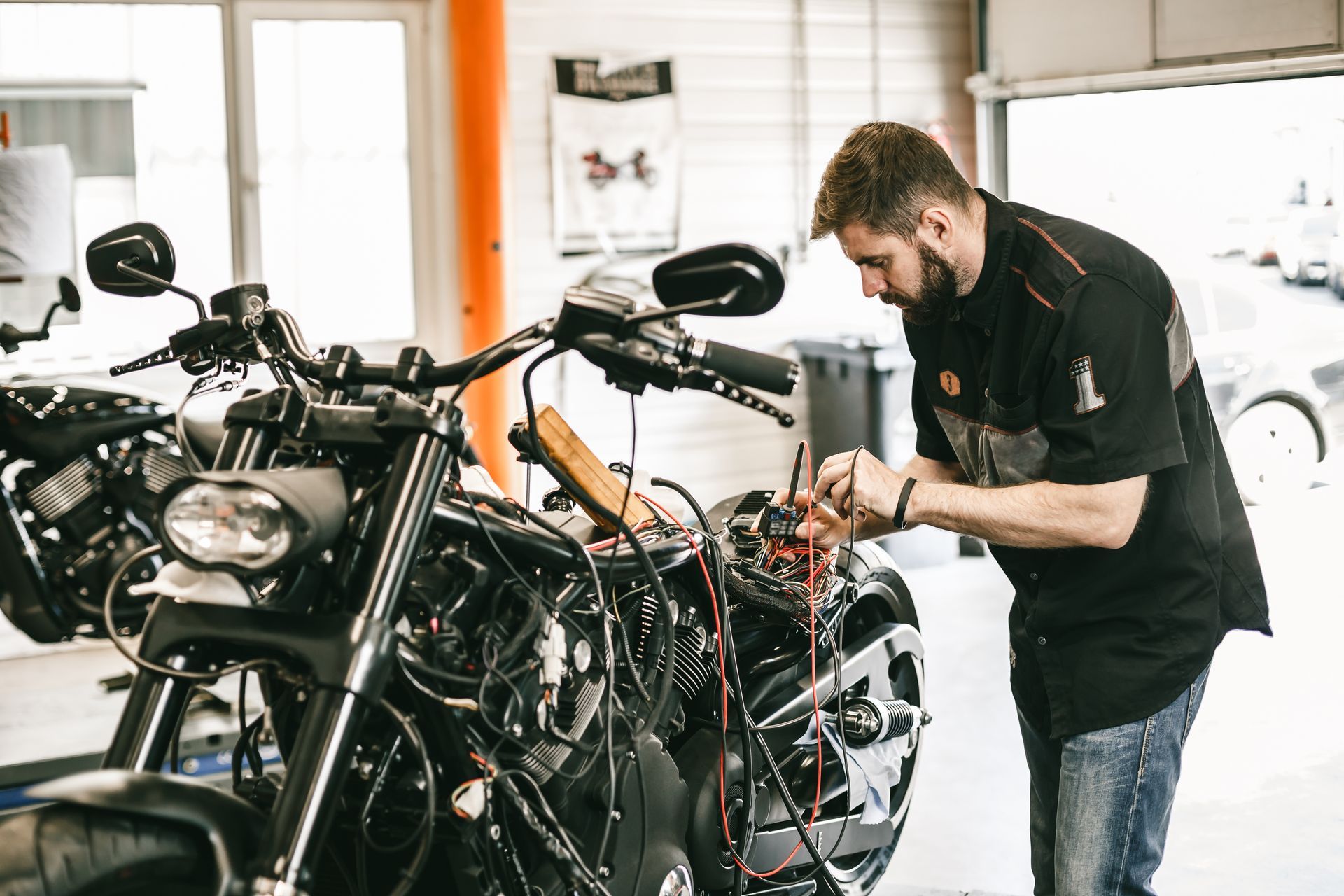
Adding grips, lights, chargers, or audio accessories seems harmless until the bike starts blowing fuses or the battery drains overnight. The big DIY trap is tapping into random wires without understanding load, grounding, or how the bike manages power. Loose connections and poor grounds create heat and resistance, and that can lead to intermittent failures that are hard to reproduce.
Another common issue is LED conversions. If the bike isn’t set up for them, you can end up with fast blinking signals, warning lights, or lights that cut out under vibration. Done correctly, electrical add-ons are clean and reliable. Done quickly, they turn into a chasing-your-tail situation.
6. Fuel And Intake Quick Fixes That Don’t Address The Real Cause
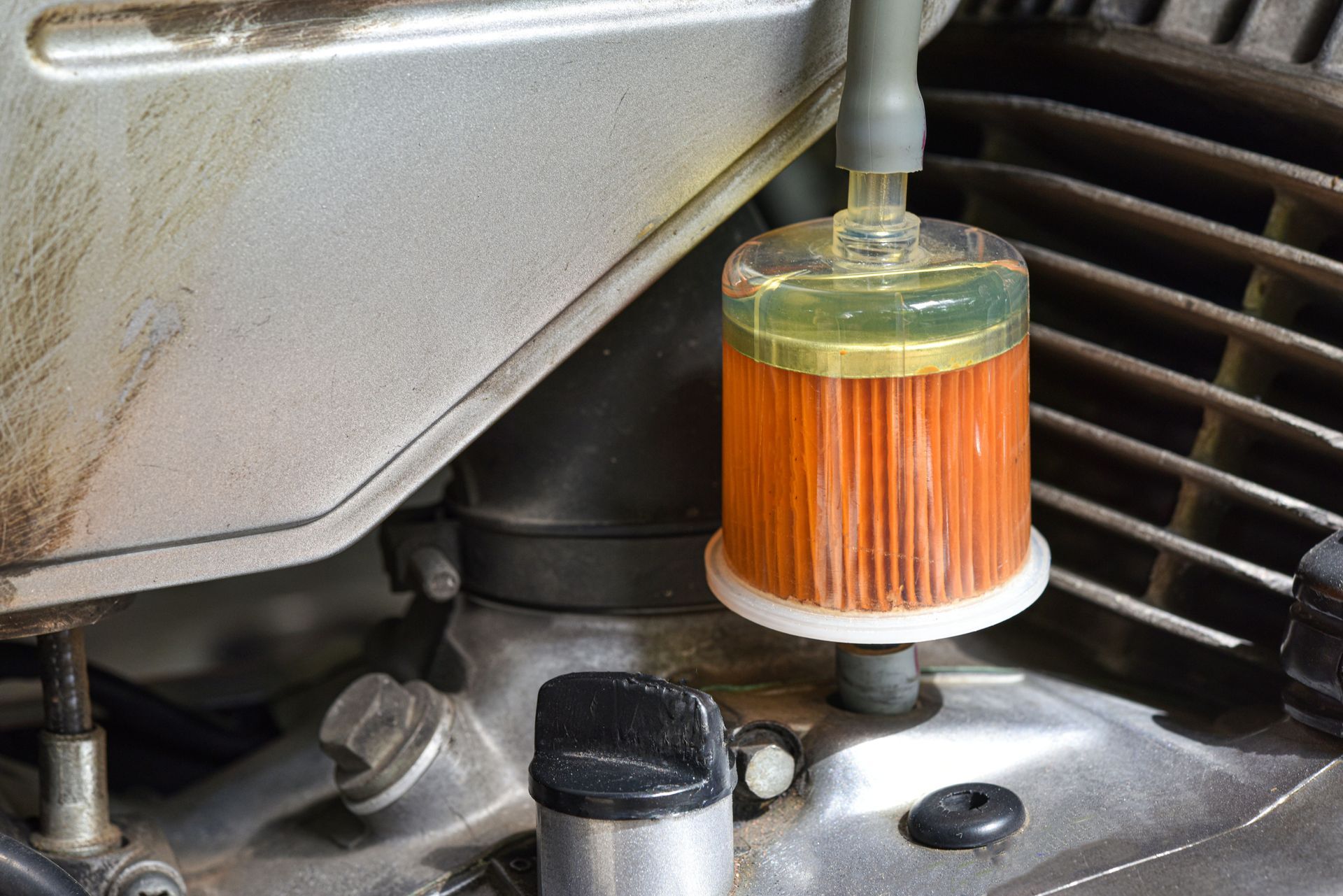
Fuel issues often push riders toward quick chemicals or random parts swaps. Sometimes that works, but plenty of times it delays the real fix. A dirty injector, a restricted fuel filter, a pinched fuel line, or a weak pump can all feel similar from the seat. On carbureted bikes, a partially clogged pilot jet can mimic ignition trouble and tempt you into adjusting things that were fine.
Air leaks are another sneaky culprit. A cracked intake boot or a loose clamp can create lean running and an unstable idle. This is where an inspection saves money because it separates a true fuel delivery problem from an air leak or sensor issue, and it prevents you from replacing good parts while the real fault stays put.
Get Motorcycle Service In Melbourne, FL With Prime Motorcycles
If a DIY fix has you second-guessing the bike’s braking, handling, or electrical reliability, the smartest next step is to pinpoint the cause and fix it properly before it snowballs.
Schedule service with Prime Motorcycles in Melbourne, FL, and we’ll get you a clear answer and a solid repair plan you can trust.
Your ride should feel predictable every time you roll out.