A motorcycle that feels steady around town but starts to wobble at higher speeds is warning you that something is off with the chassis, tires, suspension, or steering. Some riders describe it as a light weave through the bars. Others feel the front end gets nervous as speed builds, especially on grooved pavement, during lane changes, or after hitting a bump.
That kind of instability should be taken seriously right away.
Why High-Speed Wobble Is A Bigger Problem Than It Seems
At low speeds, a bike can hide a lot. Once speed climbs, small issues in the front end, wheels, tire condition, or suspension geometry become much easier to feel. A slight imbalance, loose bearing, or worn tire profile will show up much more clearly when the motorcycle is carrying speed, and the chassis is under more load.
That is why a wobble should never be written off as road feel or rider imagination. A motorcycle in good condition tracks cleanly and responds predictably. When it starts weaving, hunting, or shaking through the bars, there is a mechanical reason behind it.
The Most Common Causes Of Motorcycle Wobble
The cause is rarely mysterious. In most cases, the problem comes from a handful of common trouble spots that affect stability once the bike is moving fast enough.
- Uneven, cupped, or underinflated tires
- Wheels that are out of balance
- Loose or worn steering head bearings
- Worn suspension components or a poor suspension setup
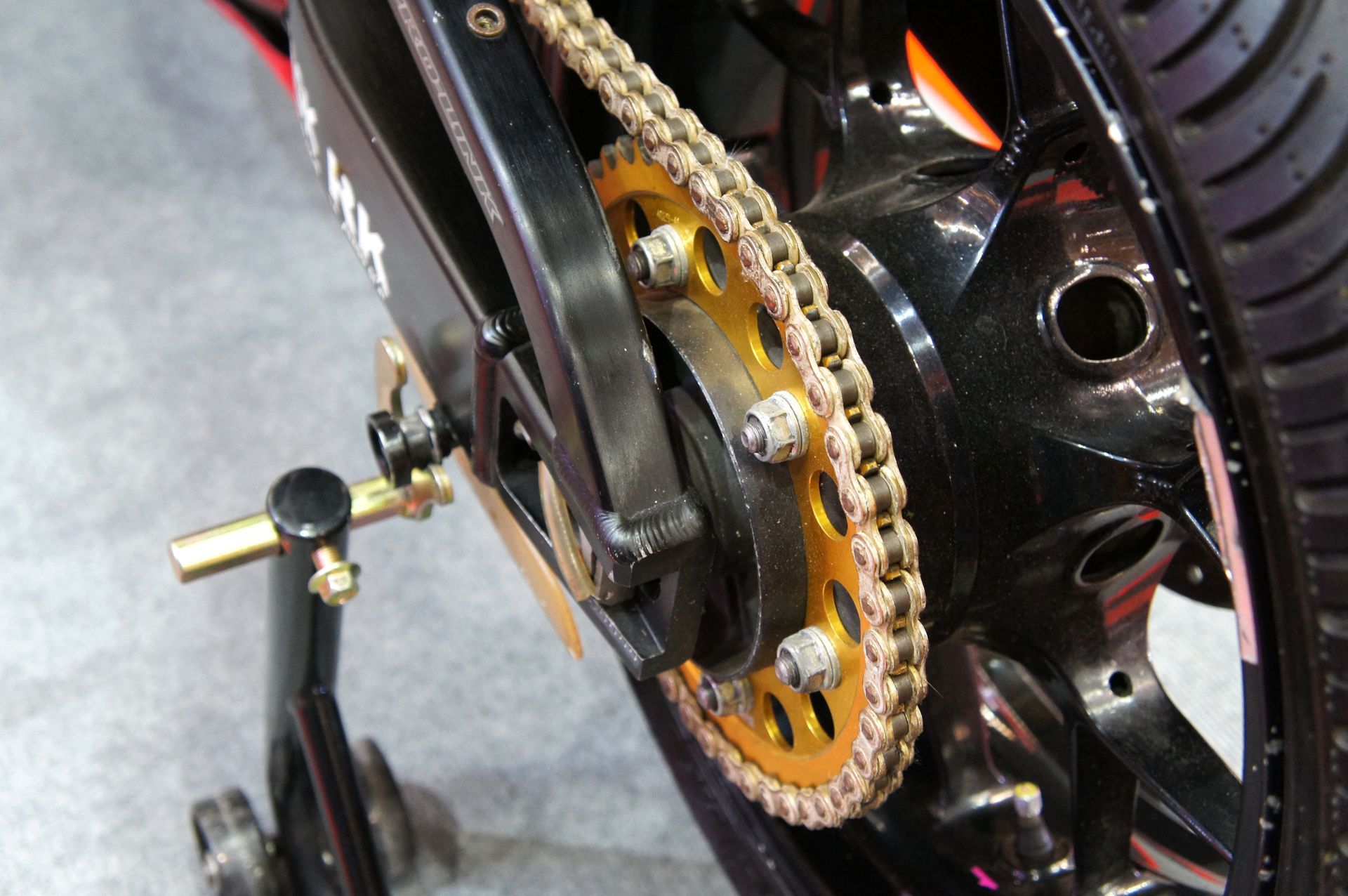
- Rear wheel misalignment
- Excess weight or luggage changes the bike’s balance
Each one changes the way the motorcycle holds a line. When two smaller issues appear together, the wobble becomes much more noticeable, and the bike feels less planted than it should.
Tires And Wheels Are Usually The First Place To Look
Tires are one of the biggest contributors to high-speed instability. A front tire with uneven wear, scalloping, flat spots, or low pressure will stop tracking cleanly. That creates a vague, wandering feel through the bars, and the problem worsens as speed increases. A rear tire with poor wear or incorrect pressure will upset the whole chassis, making the bike feel loose on straight roads.
Wheel balance is just as important. A wheel that is slightly out of balance might not feel dramatic at 35 mph, but it will start sending vibration and movement through the bike once road speed increases. We see this quite a bit after tire replacements, when a balance issue, a worn tire, or a missed pressure check is behind the complaint.
Steering And Suspension Problems Change The Bike’s Stability
The front end has to stay tight and controlled for a motorcycle to feel stable at speed. Loose steering head bearings, worn fork components, weak rear shocks, or suspension settings that are too soft for the rider and load will all let the bike move more than it should. Once that movement starts, the wobble feeds on itself.
Rear suspension condition plays a big role here, too. When the back of the bike sags too much, the steering geometry changes, and the motorcycle becomes less settled. That is one reason high-speed wobble sometimes shows up after adding a passenger, luggage, or a top case, even when the rider thinks nothing is actually broken.
Clues That Help Narrow It Down
The way the wobble behaves tells you a lot about where to start.
Front-End Feel
If the handlebars feel twitchy or the bike shakes more after bumps, the front tire, steering head bearings, forks, or wheel balance deserve close attention.
Load Sensitive Wobble
If the problem gets worse with saddlebags, a passenger, or highway gear, suspension setup, and weight distribution move much higher on the list.
Speed-Specific Instability
If the wobble starts in a narrow speed range, such as 55 to 70 mph, tire wear and wheel balance are strong suspects.
Hands-On-Bars Change
If the bike feels much worse when you loosen your grip or briefly reduce hand pressure, that usually points toward an existing stability issue rather than simple road texture.
These patterns are useful during an inspection because they help connect the rider’s description to a specific part of the motorcycle.
Why Waiting Usually Makes The Ride Worse
A wobble rarely fixes itself. Tires continue wearing in the wrong pattern, bearings loosen further, and weak suspension parts lose even more control. The longer the bike is ridden that way, the less confidence the rider has, and that alone changes how the motorcycle feels on the road.
There is a safety side to this, too. A motorcycle that feels unsettled in fast corners, during highway passes, or over rough pavement is harder to control precisely. Regular maintenance helps catch those wear points earlier, before the handling changes enough to become obvious at speed.
What A Proper Check Should Include
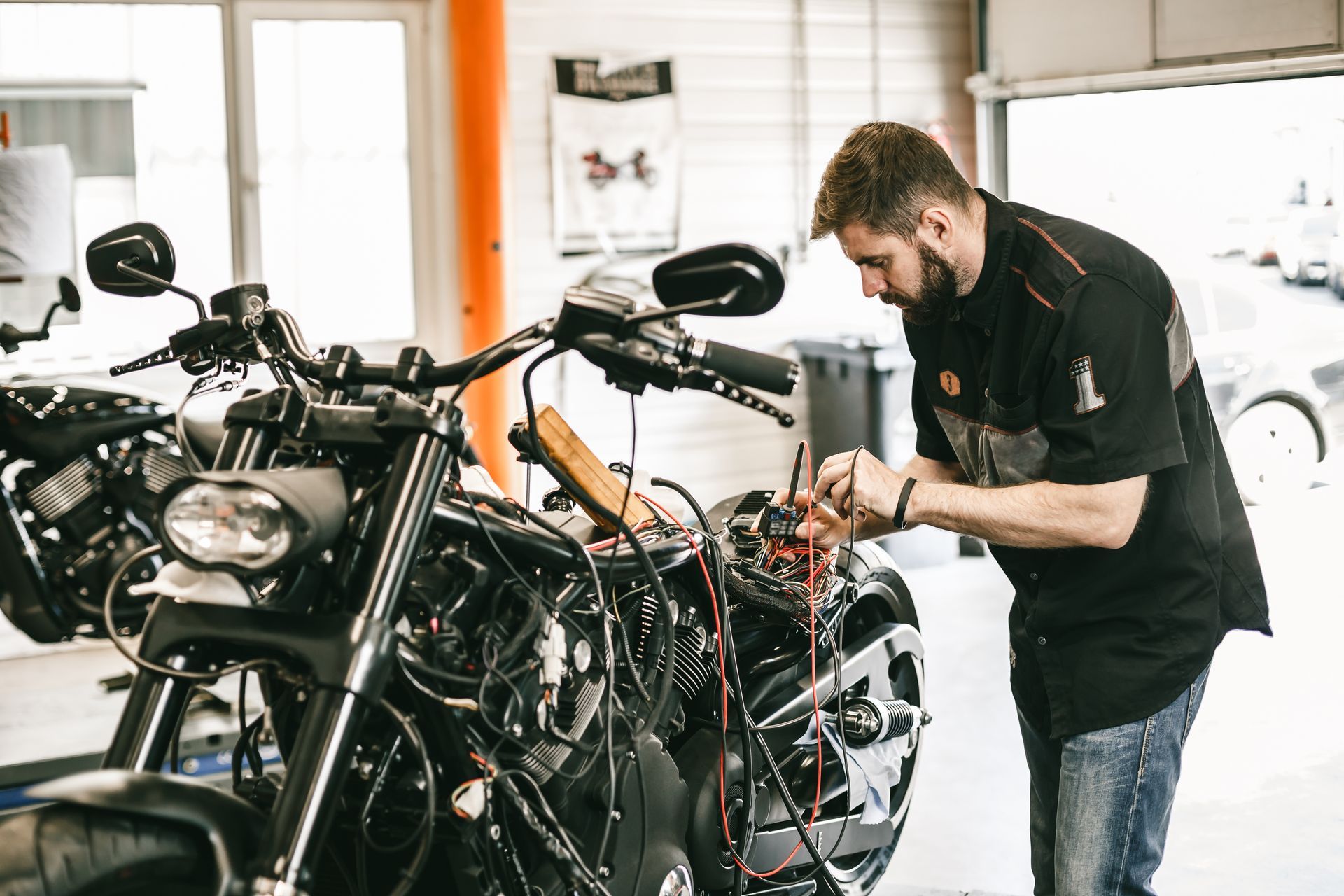
This is one of those complaints where a quick glance is not enough. The bike needs a real inspection of tire condition, pressure, wheel balance, steering head play, fork condition, rear suspension, and rear wheel alignment. Our technicians usually want to know exactly when the wobble starts, whether it changes with cargo, and whether the rider feels it more through the bars or through the whole chassis.
That full approach gets better results than replacing one part and hoping the problem disappears. A motorcycle that is set up correctly and kept in good shape will feel composed at highway speed, not unsettled and vague.
Get Motorcycle Suspension And Handling Repair In Melbourne, FL With Prime Motorcycles
If your bike starts wobbling at higher speeds, Prime Motorcycles can check the tires, steering, suspension, and chassis setup to identify the cause and correct it before the handling worsens. Stability problems usually stem from something very fixable once the source is identified.
Bring it in while the issue is still a warning sign instead of a ride-ending problem.