Motorcycle tires can look decent at a glance and still be past their best days. The tread may not be completely gone. The bike may still roll straight. Nothing may feel wrong during a short ride around the block.
Then the riding season starts, and the tire shows its age.
Florida heat, rain, road debris, and long stretches of pavement ask a lot from motorcycle tires. New tires before the season are not only about appearance. They affect grip, braking, cornering, comfort, and how the bike feels under you.
1. Old Tires Lose Grip Before They Look Worn Out
Tread depth matters, but age matters too. Rubber hardens over time, even if the motorcycle has not been ridden much. A tire that sat through months of heat, sunlight, and garage storage can lose flexibility before the tread shows obvious wear.
That harder rubber does not bite the road the same way fresh rubber does. You may notice it most when leaning into turns, riding over painted lines, or braking on damp pavement. The tire may feel less planted, even if nothing is visibly wrong.
This is why we always look beyond tread depth when servicing tires. Date codes, cracking, flat spots, and rubber conditions all tell part of the story.
2. Worn Tires Make Wet Roads Less Forgiving
Riding in Melbourne means dealing with sudden rain. A tire with shallow tread has less ability to move water away from the contact patch. That raises the chance of slipping, especially during braking, cornering, or crossing slick intersections.
Motorcycle tires have a small contact patch to begin with. There is not much room for error when water, oil residue, and worn rubber all meet at the same time. New tires give the bike a better chance to hold traction when the road changes quickly.
A tire does not need to be bald to be bad in the rain. Once the tread is low or uneven, wet-weather confidence drops fast.
3. Fresh Tires Improve Braking Feel
Braking on a motorcycle depends heavily on tire condition. The brakes can only slow the wheels. The tires are what actually grip the road. If the rubber is old, uneven, or worn flat in the center, stopping can feel less controlled.
You may feel the bike take longer to settle under braking. The front tire may feel vague. The rear may step out more easily if the pavement is dusty or damp. Those are small changes, but riders notice them quickly.
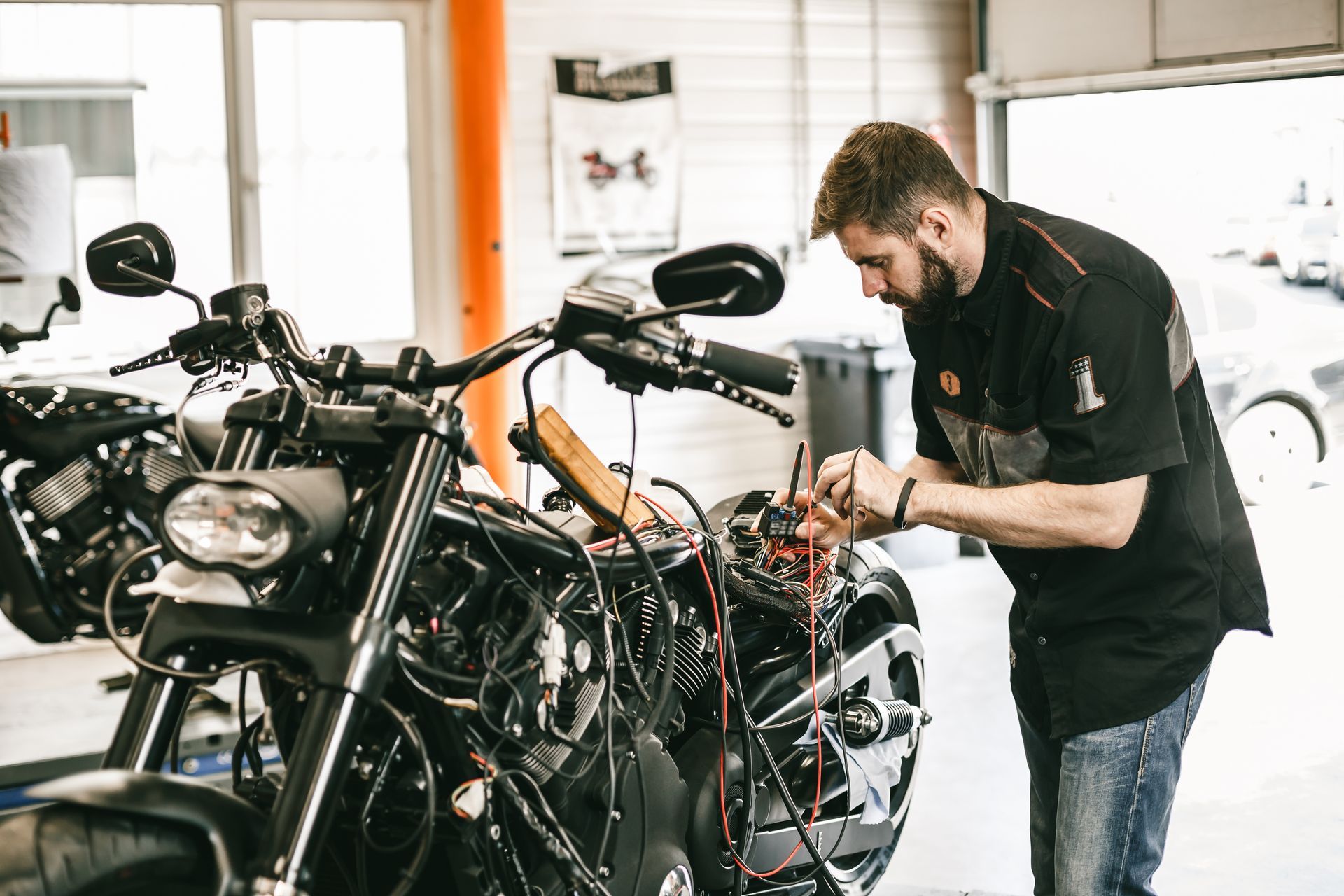
During an inspection, one of our technicians can check tread depth, wear pattern, tire age, and pressure before riding season gets busy. That quick look can tell you whether the tires are still ready for real riding or only look ready from a distance.
4. Uneven Wear Changes How The Bike Handles
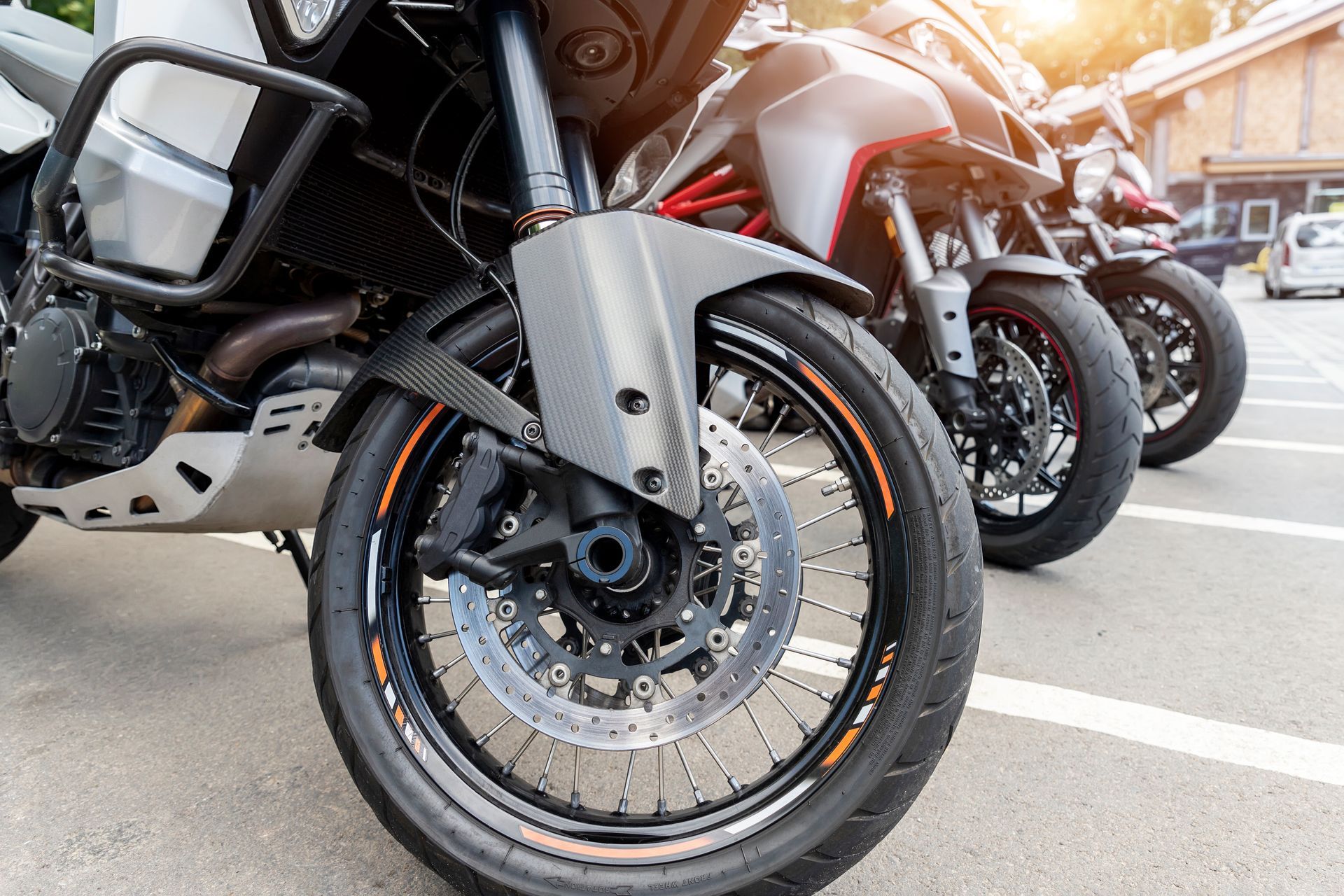
Motorcycle tire wear is influenced by riding style, road surface, tire pressure, load, and suspension condition. A rear tire can square off from highway miles. A front tire can cup or feather. One tire can start feeling noisy or twitchy before it looks dangerous.
Handling changes often shows up slowly. The bike may resist leaning, feel unsettled in curves, or need more effort to hold a clean line. Some riders adjust without realizing the tire is changing the feel of the whole bike.
New tires can bring back that easier turn-in and smoother tracking. If the old tires are worn unevenly, the difference can feel obvious on the first ride.
5. Tire Pressure Problems Get Worse With Old Tires
Motorcycle tire pressure is already important because small changes affect the ride quickly. Low pressure builds heat, wears the tire faster, and can make handling feel heavy. Overinflation can reduce the tire’s contact patch and make the ride harsher.
Older tires can add another issue. Dry rubber, worn valve stems, bead sealing problems, or small punctures can cause slow pressure loss. If you have to add air often, the tire needs more than a top-off.
Regular maintenance should include pressure checks, valve stem condition, tread checks, and a look for nails or sidewall cracking. A tire that keeps losing air is not something to trust for weekend rides.
6. Riding Season Is The Worst Time To Find Out
Nobody wants to discover bad tires on the first good riding weekend. Shops get busier, schedules fill up, and the temptation to ride anyway gets stronger. That is how riders end up squeezing one more trip out of tires that were already questionable.
Getting new tires before riding season gives you time to choose the right set, have them mounted properly, and make sure the bike feels right before longer rides. It also gives the tires a chance to scrub in carefully, rather than being pushed hard on day one.
Tires are not the place to wait until the last possible mile. If they are old, cracked, squared off, cupped, or low on tread, replace them before the season starts, as they will not last much longer.
Get Motorcycle Tire Service In Melbourne, FL, With Prime Motorcycles
If your motorcycle tires are aging, worn unevenly, losing air, or not giving you the grip you want, Prime Motorcycles in Melbourne, FL, can check them and help you choose the right replacement tires for your bike.